
Fanal
The first look, and the first risk, belong to the machine.
Fanal™ is a small, round autonomous underwater vehicle. A diver carries it to the entrance of an enclosed space nobody has seen, releases it, and waits outside while it maps the space and comes back.
Why “Fanal”? A fanal is a ship’s lantern: in a fleet, the light the others followed through the dark. Fanal goes first, and the dive team follows its light.
Concept design · not yet demonstrated underwater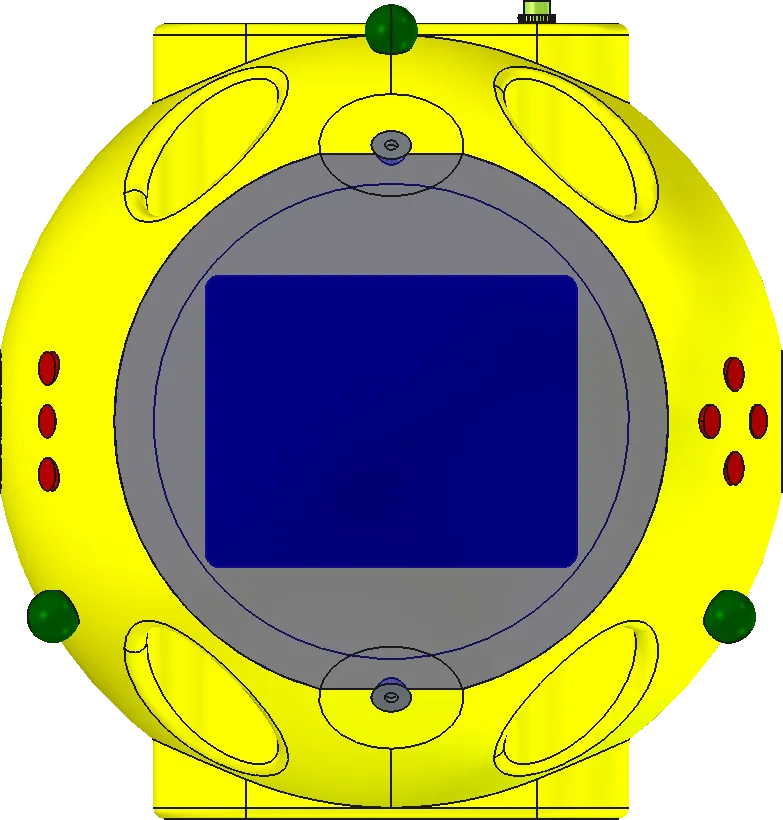
How a dive works
Chamber by chamber, the robot goes first.
- Plan the dive. The team decides which space it needs to see and what would make it unsafe to enter.
- Carry it in. The diver takes Fanal to the entrance of the next compartment.
- Release it. Fanal enters first, with no tether to snag.
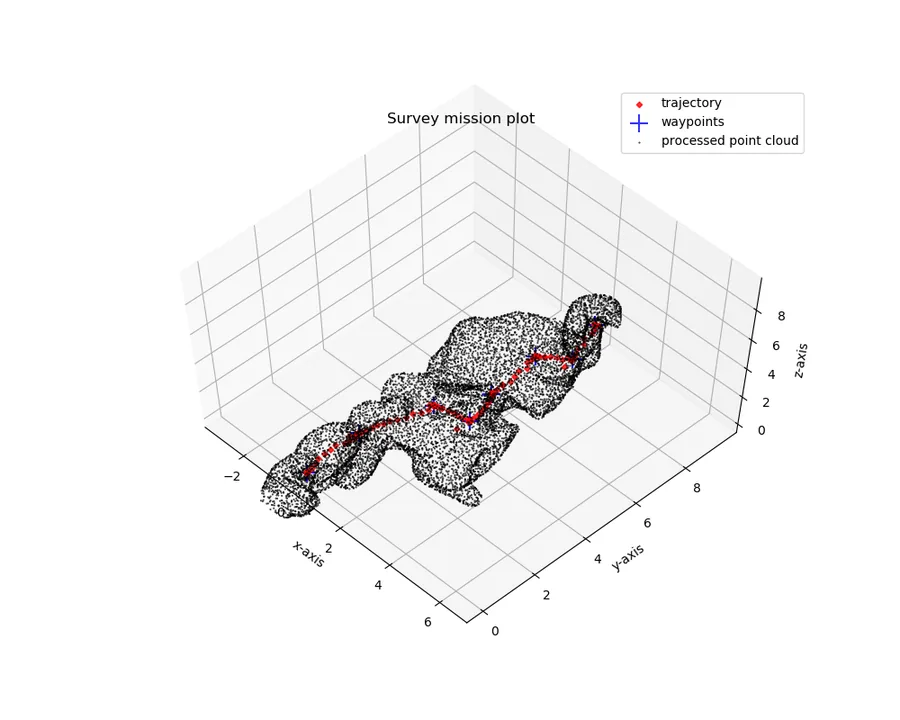
- It maps the space. It sweeps the compartment with laser and sonar, point by point, taking photographs as it goes.
- It comes back. Fanal returns to the diver and adds the new compartment to the map.
- The team decides. On Fanal’s screen the divers see what is inside, including the parts the robot could not see, and decide whether and how to go in.
- Repeat, compartment by compartment. The divers move on with Fanal, one compartment at a time, until they reach their objective.
- After the dive. The team downloads the full 3D map for planning the next stage of the job.
Design choices
Every feature has a job.
Round, so it doesn’t snag
A smooth shell with the thrusters inside, so nothing catches on cables, wiring or wreckage.
Yellow, so you can find it
High visibility for recovery if the vehicle is ever lost in an enclosed space.
Sees in clear water and silt
A laser for precision when the water is clear, sonar when it is not, and cameras for photographs.
Commanded in the water
A screen and buttons let the diver release it, review the map and give it the next job.
Explainable navigation
Proven, inspectable methods for mapping and position keeping, so the team can understand what the robot did and why.
Simple to keep running
Off-the-shelf electronics, serviced in the field with basic tools, with batteries sized to be taken aboard aircraft.
Partners, not substitutes
What each partner brings.
Fanal does not replace the diver, and it does not make the decisions. It does the part a machine does best, so divers can do what only people can.
Over-trust is the shared failure mode of every human and machine team. Our answer is an honest map: one that shows what Fanal saw and what it did not.
The diver
- Judgement and context
- Hands and tool work
- Improvisation
- Responsibility for the decisions
Fanal
- No life to lose
- Willing to do the risky exploration
- Tireless
- Exact spatial memory
- Sees in the dark and in silt
- Goes first
Development
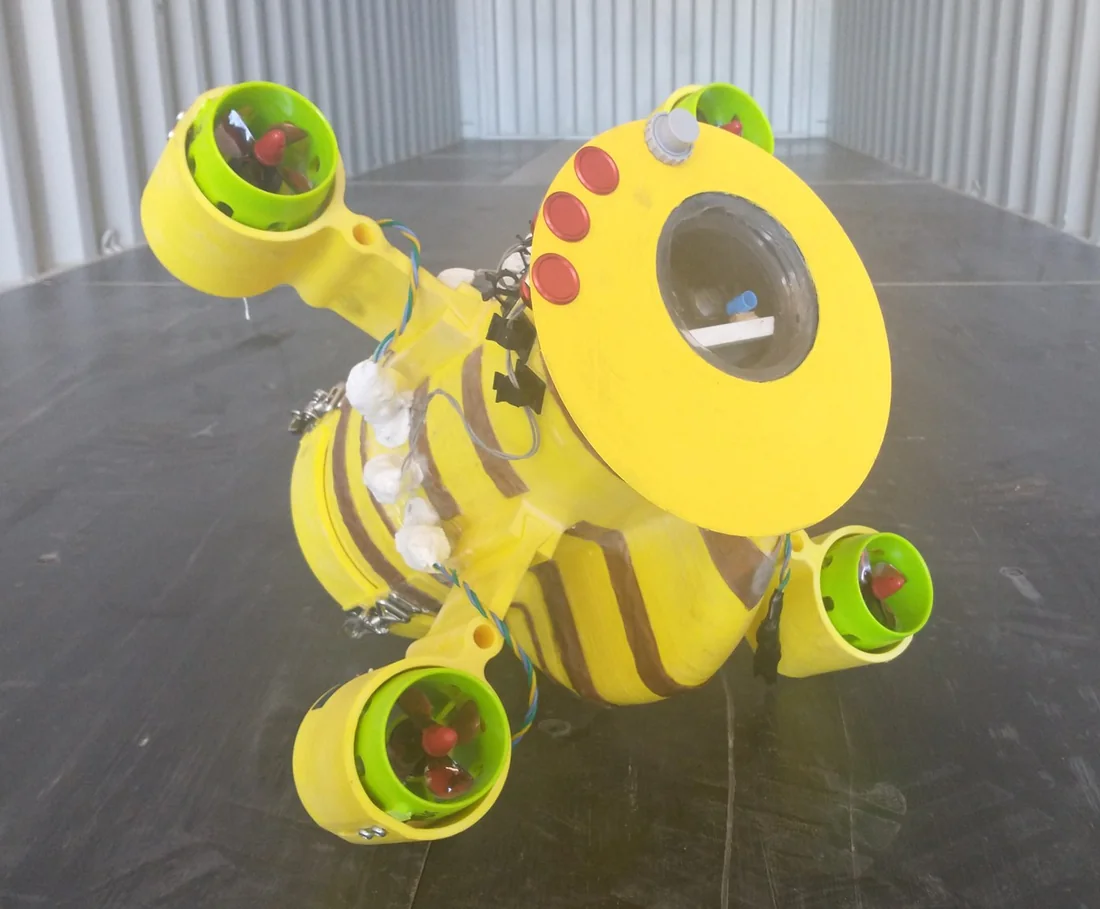
Built step by step, in the open about where we are.
Each prototype reuses the hardware of the one before it. Our next milestone is a watertight, swimming prototype that maps a pool.
Later, once a safety case supports them
Two further roles are on our roadmap: leading divers out to clear water after a silt-out, and swimming back to raise the alarm if a diver is trapped. A diver who relies on a machine to get out makes it life-critical equipment, so these come only after the reconnaissance role has proven itself.