
Fanal™ dives with you, takes point, and shows you what’s ahead.
A robot that goes first, for professional dive teams who must enter flooded, enclosed spaces: wrecks, ship compartments, sunken vehicles. A diver carries Fanal to the entrance. Fanal goes in first, maps the space in 3D and brings the map back, so the team can identify the hazards and objectives in the space and plan accordingly.
Founded by an 18-year Royal Canadian Navy veteran · Part of the University of New Brunswick J. Herbert Smith Centre accelerator
The idea
In diving, no one goes in alone.
Fanal goes in first, so the team goes in knowing what is ahead. The divers bring judgement and hands. The robot brings tireless sensing, a precise map, and a willingness to be the one at risk.
Divers love their work and take it seriously. Fanal is not built to replace them or take that work away. It is built to help bring them home safely.
In an overhead environment there is no direct way up to air. Visibility can go to zero in seconds, lines snag and structures shift or collapse. Divers often go in with old drawings, hearsay or nothing at all. Fanal is built so the machine takes the first look, and the first risk.
Carried in by the team
Small enough to travel in a diver’s kit and go wherever the team goes.
Untethered
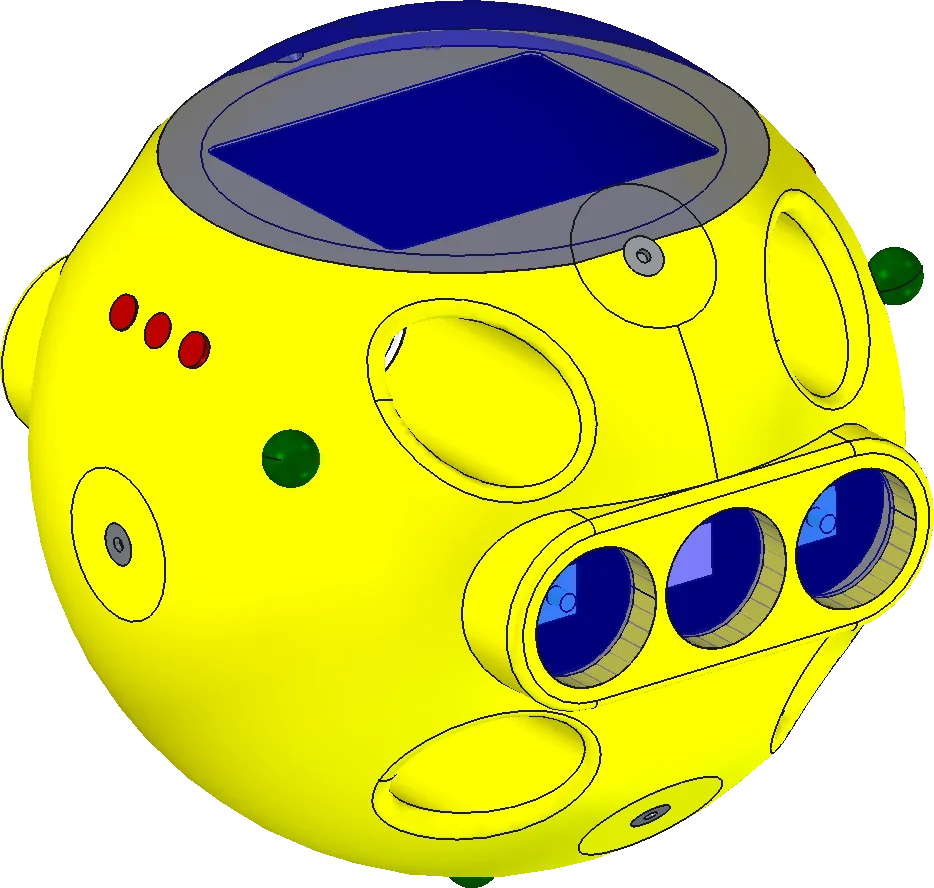
No cable to snag in a convoluted interior, and a smooth round shell with nothing sticking out.
Autonomous
It maps the space with laser and sonar, taking photographs as it goes, then returns on its own.
Shows you what’s ahead
The divers review the map in the water and decide whether, and how, to go in.
Who it is for
Built around the diver. Bought by the teams that send them.
What these jobs share is the overhead environment, not the industry or the air supply.
Salvage and wreck removal
Survey the interior before cutting or lifting the vessel or removing its fuel.
Read more DefenceCounterintelligence
Map a warship wreck and find its sensitive material before anyone else does.
Read more Public safetySearch and rescue (SAR)
Find survivors in a capsized vessel or sunken aircraft before a dive team commits to a hazardous rescue.
Read more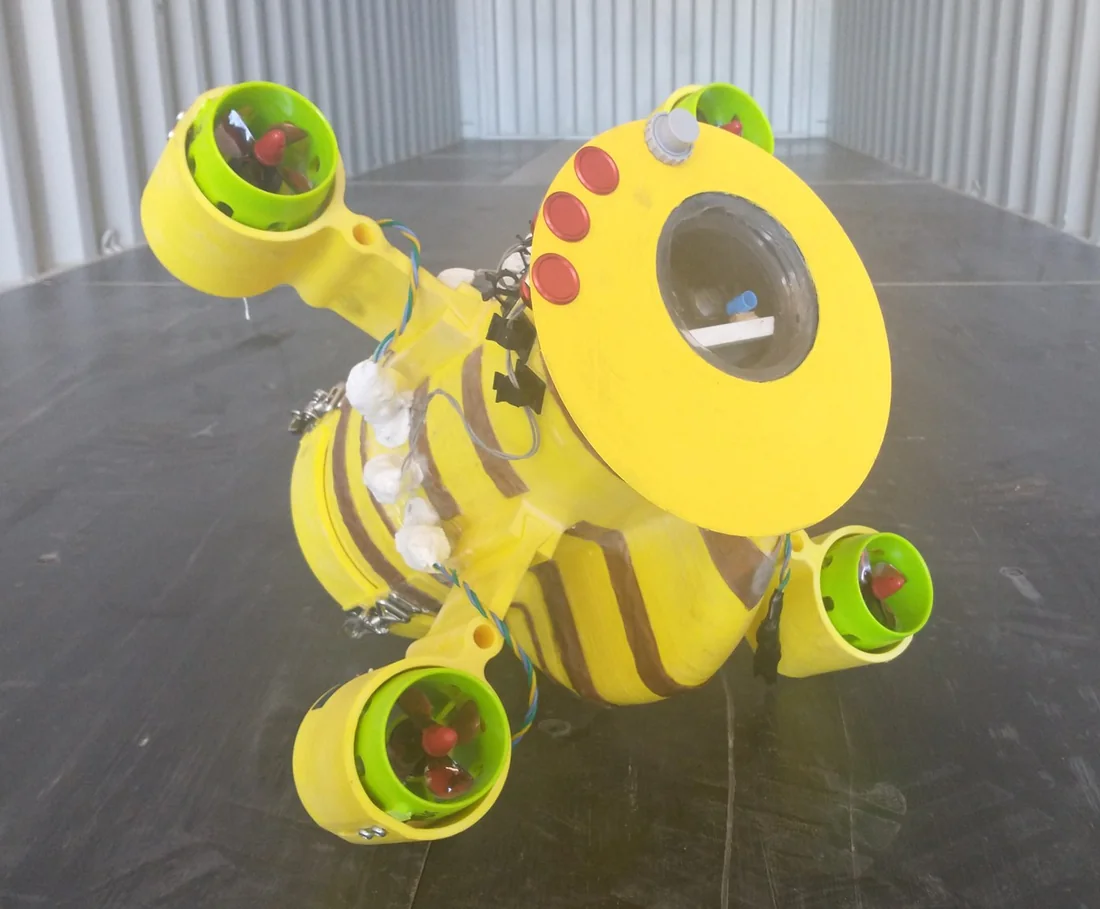
Where we are
Early, and plain about it.
- Three test prototypes built, each reusing the last one’s hardware.
- Lionfish passed a dry-land integration test in August 2026. Its first wet test, in September, found a leaking end-cap seal; the fix is under way.
- The mapping approach has been partly validated on dry land with our first test vehicle, and exercised in simulation on a sunken car carrier’s vehicle deck. Nothing has been mapped underwater yet.
- We are talking with divers, salvors and dive teams now, so their work shapes what we build.
Founder
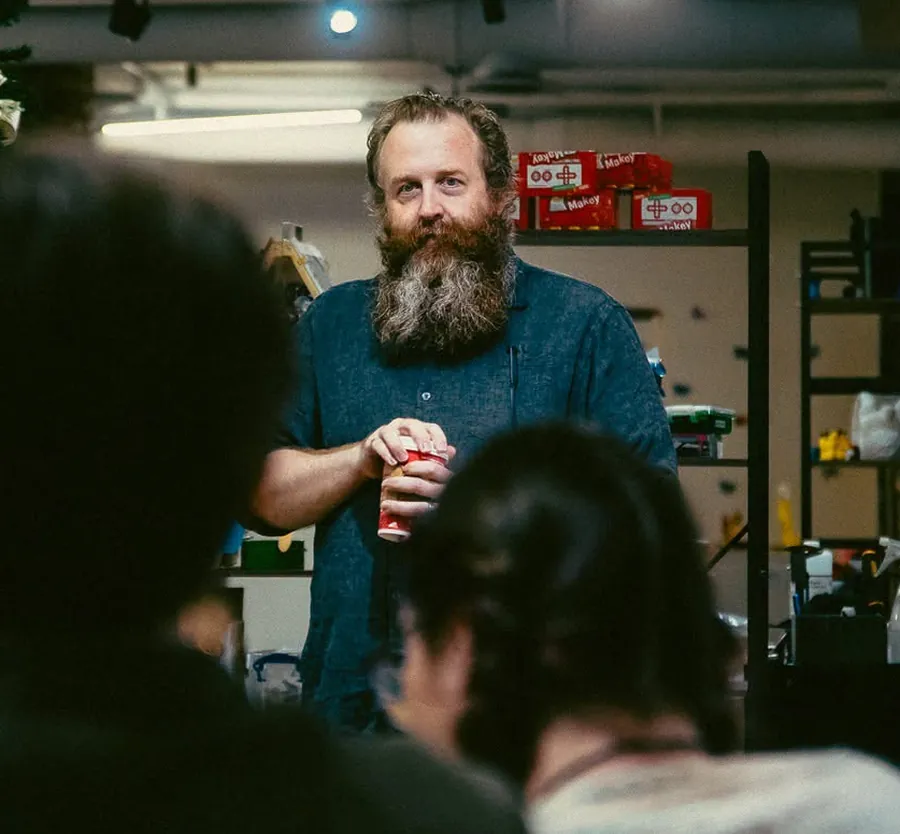
Dr. Patrick D. Beeson, CD
An 18-year veteran of the Royal Canadian Navy whose PhD thesis built algorithms that route medical-evacuation helicopters around anti-aircraft threats, the same problem Fanal solves underwater. He designed and built all three CASS test vehicles himself, and leads Fanal’s vehicle design and onboard software development.
Contact
Do you send divers into enclosed spaces?
Tell us how you work today and where it goes wrong. We build around real problems, and yours could shape what we make. We are looking for advisers, pilot partners and engineering collaborators.
Prefer to talk? Suggest a time for a 20-minute call.
Chaleur Autonomous Submersible Systems Inc. · New Brunswick, Canada. Designed and built in Canada, for vetted buyers in Canada and allied countries.